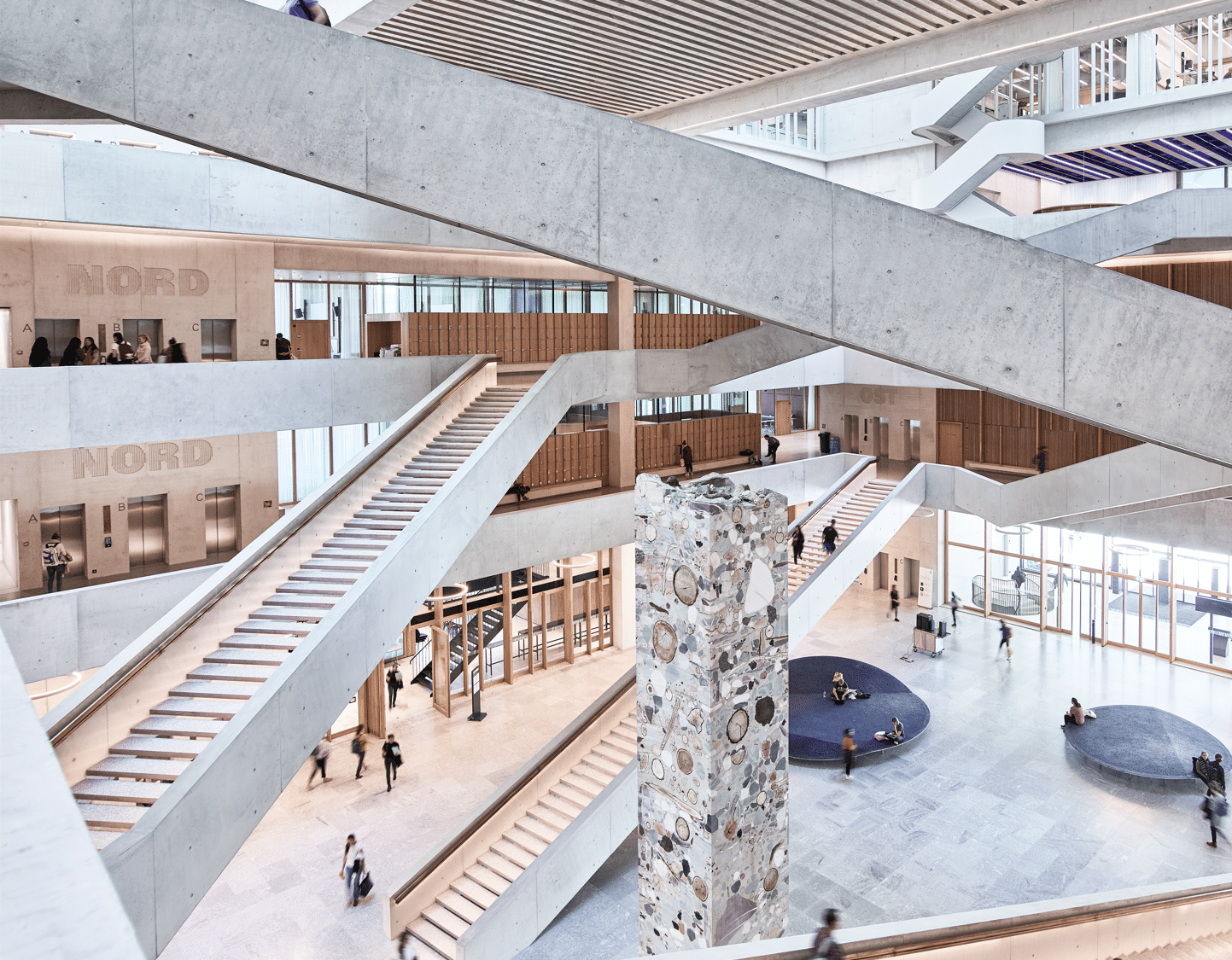
Advance your expertise in continuous chromatography for biotherapeutics with an intensive 3-day course at the FHNW University of Applied Sciences and Arts Northwestern Switzerland. From 8–10 September 2026, the Institute for Pharma Technology will host the seminar “Continuous Chromatography for Biotherapeutics” at the FHNW Campus Muttenz (Basel), Switzerland – a highly practice-oriented program for scientists and engineers who want to move beyond traditional batch processing and implement robust, scalable continuous downstream strategies.
Continuous Chromatography for Biotherapeutics – 3-Day Course at FHNW
This three-day continuous chromatography course combines lectures, case studies and hands-on laboratory workshops to give you a comprehensive introduction to modern continuous downstream processing of biotherapeutics. You will learn how multi-column and twin-column processes can boost productivity, improve resin utilisation, reduce buffer consumption and deliver more consistent product quality compared with conventional single-column batch chromatography.
Using real-world examples from monoclonal antibodies, oligonucleotides, peptides and viral vectors, the course connects core principles with practical implementation. By the end of the seminar, you will be ready to evaluate, design and communicate continuous chromatography concepts for your own lab or manufacturing environment.
Course Overview: From Fundamentals to Implementation
The “Continuous Chromatography for Biotherapeutics” course systematically guides you from fundamental concepts through process design and evaluation to scale-up and digitalisation. Each module builds on the previous one, ensuring a coherent learning journey from theory to practice.
Core Topics Covered
- Fundamentals of continuous chromatography – principles, modes of operation and typical configurations for biotherapeutics.
- Process design for biotherapeutics – how to apply continuous chromatography to monoclonal antibodies, oligonucleotides, peptides and viral vectors.
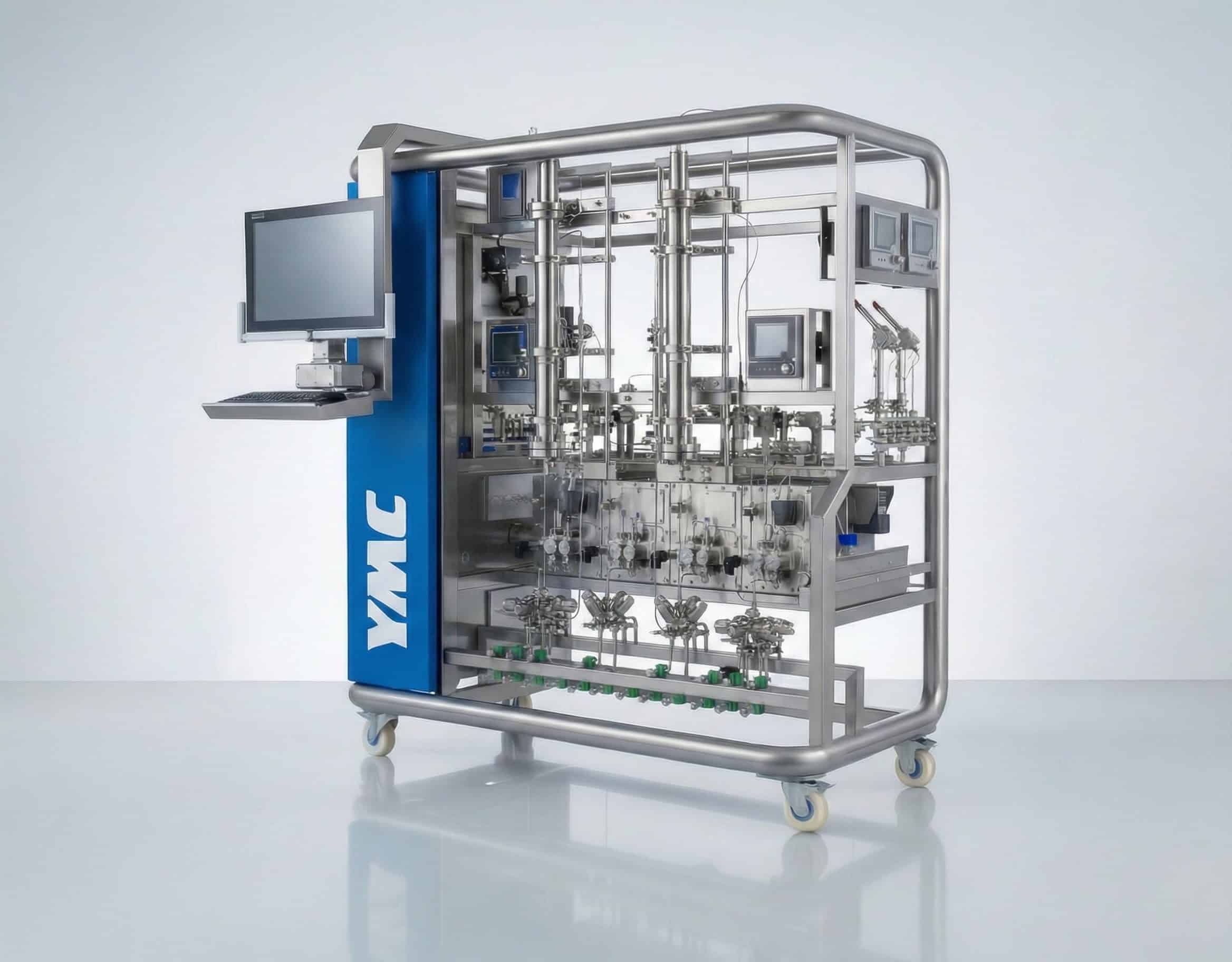
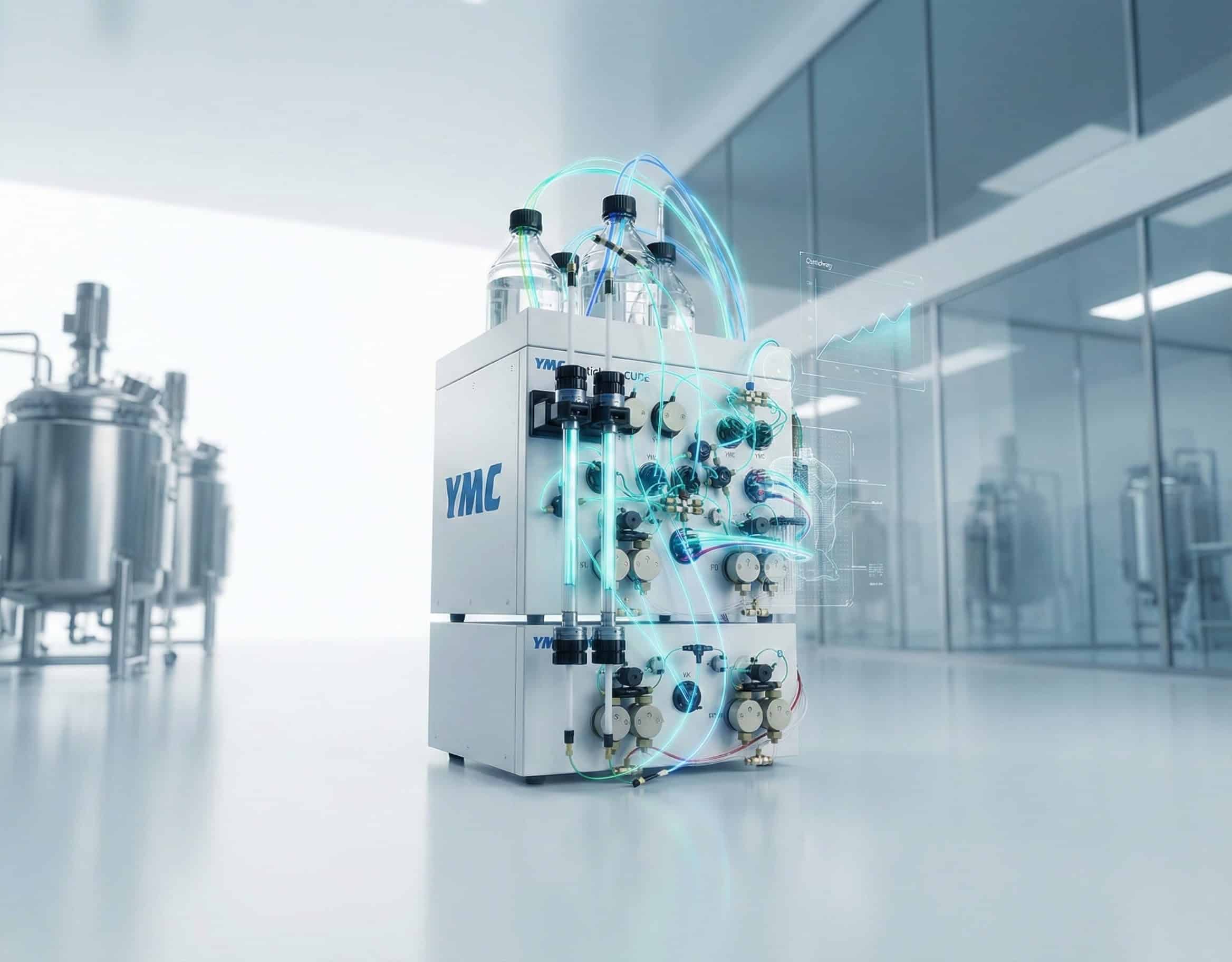
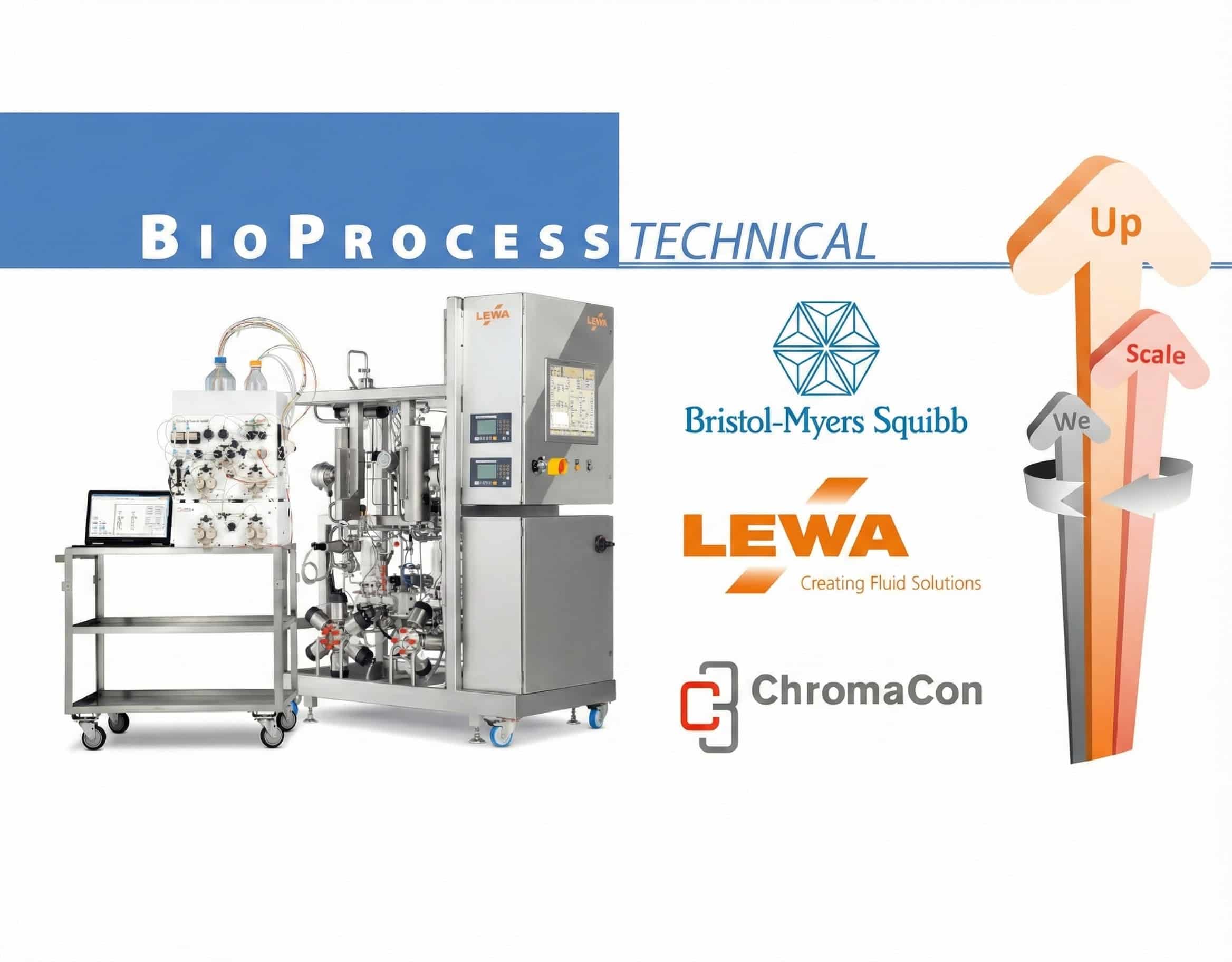
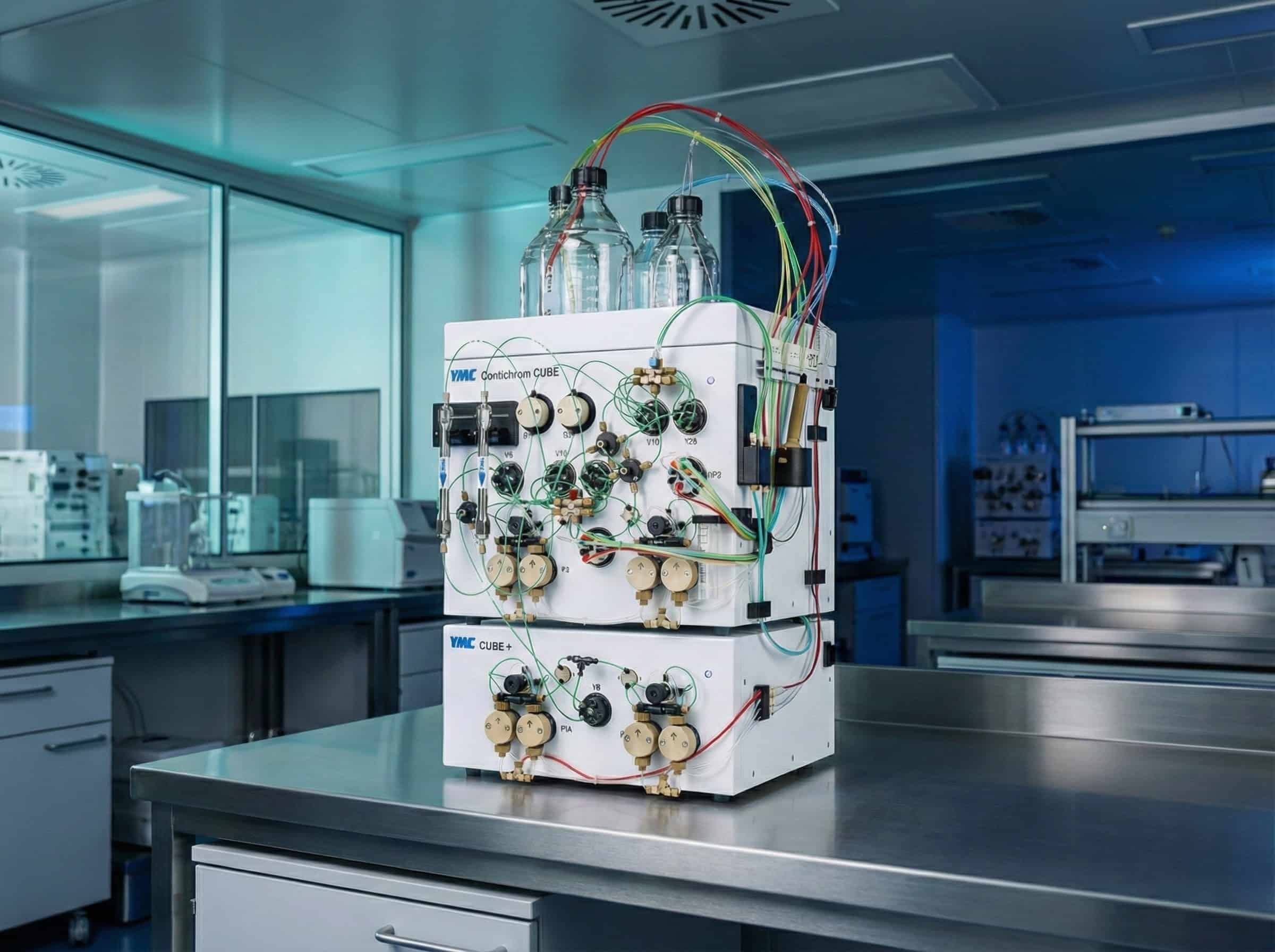
- Hands-on lab workshops – practical training on laboratory-scale twin-column systems (Contichrom® CUBE) for capture and polishing steps.
- Performance evaluation – assessing productivity, resin utilisation, solvent consumption and robustness of continuous workflows.
- Scale-up strategies – moving from lab-scale experiments to pilot and manufacturing environments.
- Process modeling & digitalization – using modeling tools and digital approaches to design, optimize and control continuous chromatography processes.
Throughout the course, you will see how continuous chromatography can outperform batch operation in terms of yield, purity and throughput, and how to quantify these advantages for your own molecules and processes.
Hands-On Training on Twin-Column Systems
A central element of this course is the extensive hands-on lab component. In small groups, participants work directly with laboratory-scale twin-column systems such as the Contichrom® CUBE, applying the concepts covered in the lectures to realistic capture and polishing scenarios.
- Set up and operate twin-column continuous chromatography equipment.
- Develop and adjust methods for different biotherapeutic modalities.
- Monitor key performance indicators like productivity, resin loading and buffer usage.
- Interpret chromatograms and troubleshoot process deviations.
This practical training gives you the confidence to transfer continuous chromatography concepts from the classroom to your own lab, pilot plant or manufacturing facility.
Who Should Attend
This continuous downstream processing course is ideal for professionals and researchers who already have experience with single-column chromatography and want to explore more efficient continuous approaches, including:
- Bioprocess and downstream process development scientists.
- Chromatography method development and purification specialists.
- Manufacturing and scale-up engineers working with biologics.
- Experts in quality, process analytics and separation science.
- Researchers transitioning from batch to continuous bioprocessing.
If you are working with biotherapeutics and considering the transition to continuous operations, this course will help you build a strong conceptual and practical foundation, speak the same language as equipment and technology providers, and make data-driven decisions about implementation.
Key Course Details
| Course title | Continuous Chromatography for Biotherapeutics |
| Dates | 8–10 September 2026 (3 days) |
| Location | FHNW Campus Muttenz, Switzerland |
| Organiser | Institute for Pharma Technology, FHNW University of Applied Sciences and Arts Northwestern Switzerland |
| Teaching language | English |
| Course fee | CHF 3’000 |
After three intensive days, you will leave with a clear understanding of when and how to apply continuous chromatography, how to evaluate its performance versus batch operation, and how to plan the next steps towards implementation in your own labs or facilities.
How to Register
The full program, detailed schedule and registration form are available on the official FHNW seminar page. Seats are limited to ensure an interactive learning environment with direct access to lecturers and personalized guidance during the laboratory workshops.
For more information and to secure your place, visit the official course page via the link below:
Frequently Asked Questions About the Continuous Chromatography Course